






























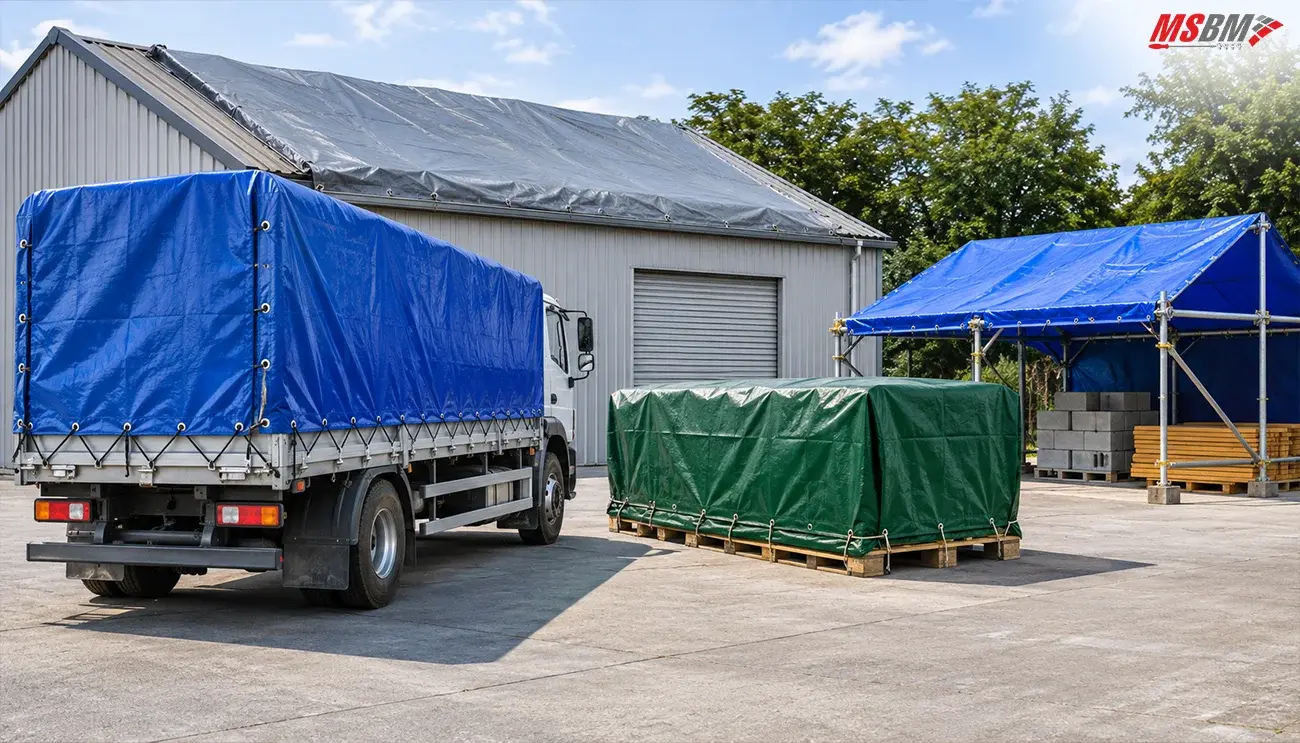
Direct answer: measure the length, width, and height of what you need to cover. Then add extra on every side so the tarpaulin reaches your tie-down points. Order the finished size you need, not the size of the load.
A tarpaulin that is too small leaves gaps, and one that is far too big flaps, wastes money, and is harder to fix.
If you are asking “what size tarpaulin do I need?” for a truck, a roof, or stock, you want one that fits the first time. The trouble is that measuring a load is not the same as measuring the cover. A wrong size can mean exposed corners, strained tie points, and a second order.
MSBM Gulf supplies tarpaulin sheets and rolls. They come in finished panels and rolls, and custom sizes are available on request.
The plan is simple. First, measure the job and add an allowance for tying down. Then choose between a sheet, a roll, or a custom size, and send us the details.
The result is a cover that fits, holds, and does not need to be reordered.
Why the Right Tarpaulin Size Matters
The size decides whether the cover actually protects what is underneath. A tarpaulin cover that is too small leaves edges exposed to sun, dust, and rain. It also puts strain on the tie points, which can tear or pull loose.
A tarpaulin that is much too large is not a good choice either. Extra fabric flaps in the wind, catches on edges, and is heavy to handle. Getting the size right starts with measuring the right things.
How to Measure for a Tarpaulin Step by Step
Measure the thing you are covering, then work out the cover from those numbers. Use a tape measure and write each figure down.
Length, Width and Height
Measure the longest length, the widest width, and the tallest height of the load or area. Measure at the widest and tallest points, not the average. Irregular shapes need the largest figures.
Adding Overhang for Tying Down
A tarpaulin needs extra material beyond the load so it can be tied down. Plan for the eyelets or tie points to sit past the edge of the load, not on top of it. The amount depends on the job, so ask us when you are unsure.
Cut Size vs Finished Size
Finished size is the size of the tarpaulin after hemming. Cut size is the size of the fabric before hemming, and it is slightly larger because hems use up some material.
Always confirm which size a quote uses. Now, here is how the measuring works for common jobs.
Tarpaulin Sizes for Common Jobs: What to Measure
Each job needs different measurements and a different allowance. This table shows what to measure.
| Job | What to measure | Plan extra for |
|---|---|---|
| Truck or trailer load | Load length, width, and height | Side drop and tie-down points |
| Roof or temporary cover | Length and width along the slope | Edges and fixing points |
| Stock, pallets, machinery | Widest, longest, and tallest points | Corners and uneven shapes |
| Ground sheet or site cover | Length and width of the area | Edges and anchoring |
Truck and Trailer Loads
To cover the top and both sides, the tarpaulin width must equal the load width plus the height on each side. For example, a load 2 m wide and 1.5 m high needs at least 2 + 1.5 + 1.5 = 5 m of width. Add your tie-down allowance on top.
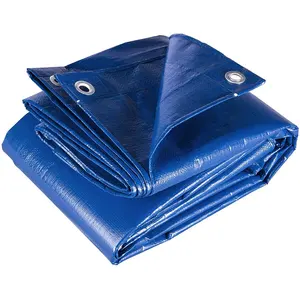
To also cover the front and back, add the height again at each end of the length. These numbers are an example only and not a stock size. For heavy loads, our heavy duty PVC tarpaulin is a common choice.
Roofs and Temporary Covers
Measure along the slope of the roof with a tape, not the flat distance on plan. The slope is longer than the flat distance, so measuring flat gives you a cover that is too short. Add extra beyond the edges for fixing.
For example, a roof section 6 m along the slope and 4 m across needs a tarpaulin larger than 6 m by 4 m. The extra is for fixing and overhang. This is an example only and not a stock size.
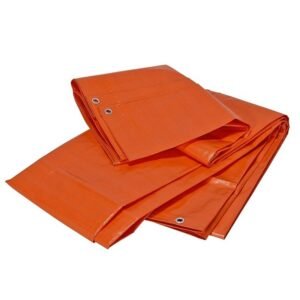
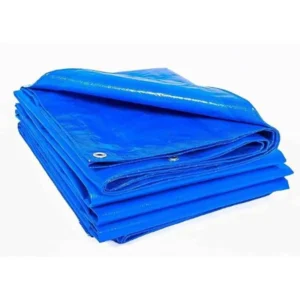
For lighter or temporary cover, a PE tarpaulin is lightweight and easy to deploy.
Stock, Pallets and Machinery
Measure the widest, longest, and tallest points of the stack or machine. Irregular shapes leave gaps if you measure only the main body. If the goods need airflow, ask about breathable canvas tarpaulin.
Ground Sheets and Site Covers
Measure the length and width of the area, then add extra for the edges. Plan how you will anchor the sheet, because loose edges lift in the wind. Once you have your figures, you can ask for a quote.
WHAT SIZE SHOULD YOU ORDER?
Send us your measurements and the job, such as a truck, roof, or stock cover. We will reply with a quote for a tarpaulin cut to size.
Tarpaulin Sheet, Roll or Custom Size?
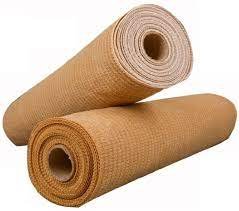
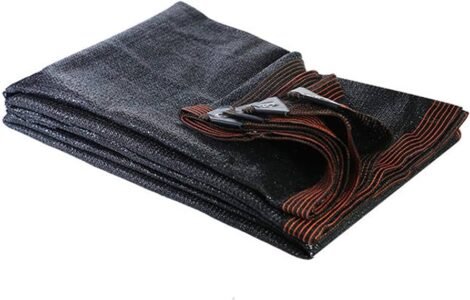
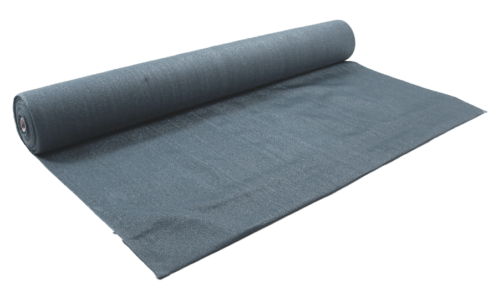
Our tarpaulins are available in rolls and finished panels, and custom sizes are available on request. A finished panel is ready to use, while a roll lets you cut to the length you need.
If your size is unusual, ask for a custom size. For a list of common tarpaulin sizes, see our tarpaulin buying guide for 2026. Next, the material you choose also changes how the size handles.
How Material and Weight Affect Your Tarpaulin Size
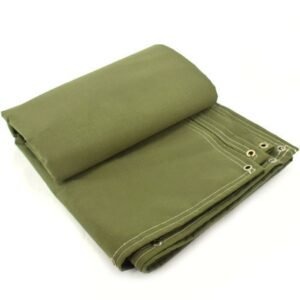
Large covers get heavy, and heavy-duty fabric adds to that weight. PVC tarpaulin is heavy-duty and tear-resistant, while PE is lightweight and easy to deploy. Canvas is breathable, but it can get heavy when damp.
If one person must handle the cover, a lighter material or two smaller sheets may be easier to use. Ask us about the weight of the product you choose. Size and weight also decide where the tie points sit.
Tarpaulin Eyelets and Tie-Down Points
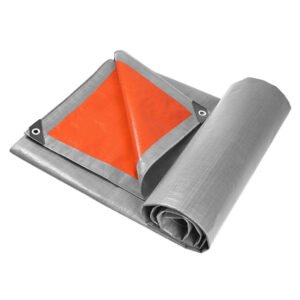
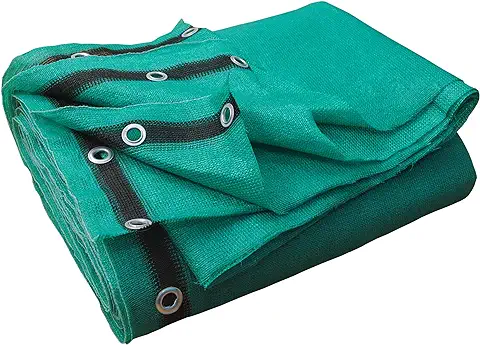
Eyelets are the reinforced holes along the edge where you tie the tarpaulin down. Our PVC tarpaulins are listed with rust-proof aluminium eyelets at 3 ft intervals, so check the product page for the exact specification.
Use strong ropes, or tarpaulin clips and fasteners, to secure the edges. Make sure the tarpaulin is large enough for the eyelets to reach your anchor points. Even a perfect size fails if the tie points are in the wrong place.
How to Check Your Tarpaulin Fit Before You Tie Down
A quick fit check catches sizing problems before the cover is fixed. Do it with the tarpaulin spread out and nothing tied yet.
- Spread the tarpaulin over the load or area and line up the edges.
- Check that every side reaches past the edge of the load.
- Check that the eyelets or tie points reach your anchor points.
- Tie one side first, then pull the other side tight.
- Walk around the cover and look for gaps or loose fabric.
If any side falls short, stop and reorder rather than force it. A final check also helps you spot the mistakes below.
Common Tarpaulin Sizing Mistakes
Most sizing problems come from a few repeat mistakes. Avoid these four.
Measuring the Load, Not the Cover
The load size is only the starting point. The cover must also reach down the sides and to the tie points.
Forgetting the Side Drop
The height of the load adds to the width you need. Leave it out and the sides stay exposed.
Measuring Flat Instead of Along the Slope
On roofs, the flat distance is shorter than the real slope. Always measure along the surface.
Ordering the Exact Size
A cover with no spare material has nothing to tie with. Always add an allowance for tying down. A checklist makes this easier.
Tarpaulin Size Checklist to Send With Your Order
Send these details so we can quote the right tarpaulin.
- The job: truck, roof, stock, machinery, or ground cover.
- The length, width, and height you measured.
- Whether you need finished size or cut size.
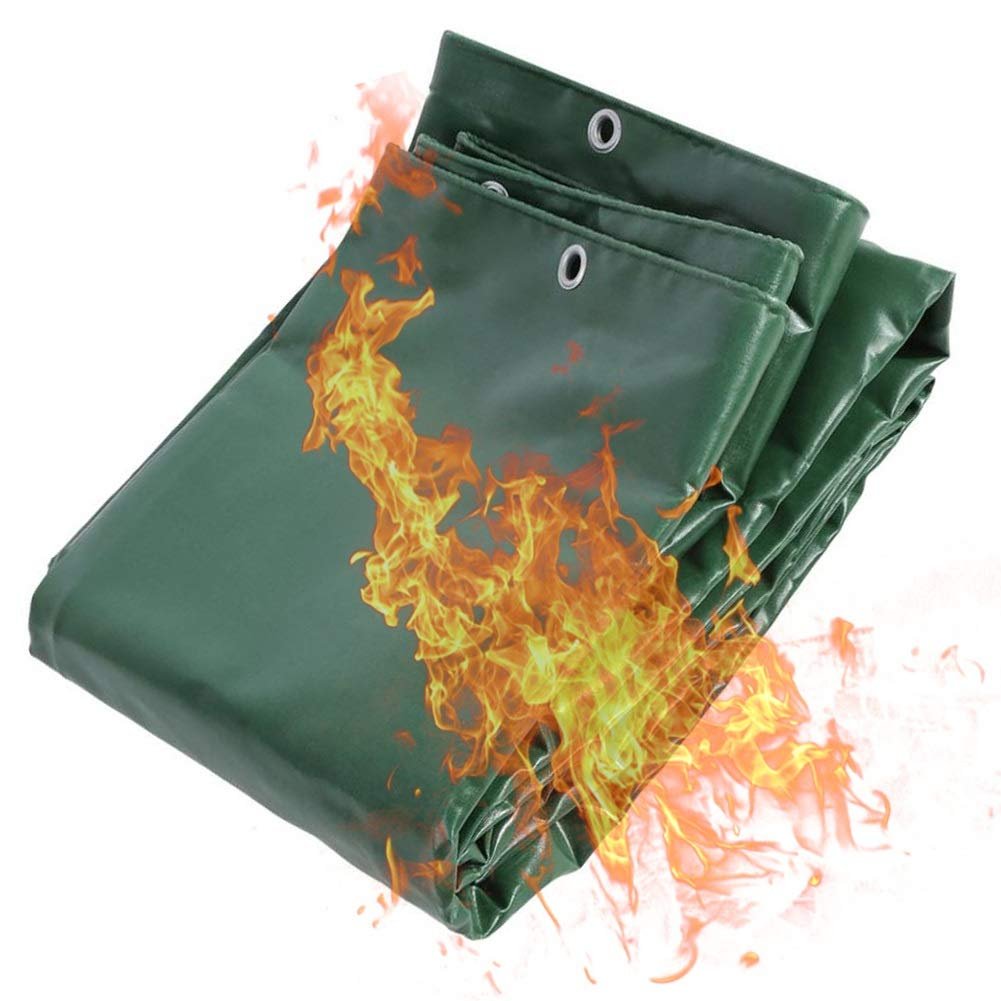
- The material you prefer: PE, PVC, canvas, or fire retardant PVC.
- The quantity, and whether you want panels or a roll.
With these details, the quote is faster and the fit is better.
Get the Tarpaulin Size Right, Then Order With Confidence
A tarpaulin that fits starts with careful measuring. Measure the job, add an allowance for tying down, and confirm whether the size is cut or finished.
Send us the details and we can help you order the right cover.
MATCH THE SIZE TO THE RIGHT MATERIAL
Browse PE, PVC, canvas, and fire retardant tarpaulins, available in rolls and finished panels.
Tarpaulin Size FAQs
What size tarpaulin do I need, and how do I measure for it?
Measure the length, width, and height of the load or area at its widest and tallest points. Then add extra for tying down, and send us the figures.
How much extra should I add to my tarpaulin size?
Add enough for the tarpaulin to reach your tie-down points on every side. The amount depends on the job, so ask us and we will advise.
What is the difference between cut size and finished size?
Finished size is the size after hemming, and cut size is the fabric size before hemming. Always confirm which one your quote uses.
Should I buy a tarpaulin roll or a ready sheet?
A ready sheet is quicker to use, while a roll lets you cut to the length you need. Our tarpaulins come in both rolls and finished panels.
Can I get a custom size tarpaulin in Dubai?
Yes, custom sizes are available on request. Send us your measurements on WhatsApp at +971 4 224 8198, or email info@msbmgulf.com.
Which tarpaulin is best for covering a truck?
PVC tarpaulin is heavy-duty and tear-resistant, so it suits many truck loads. Tell us your load and we will suggest the right one.