


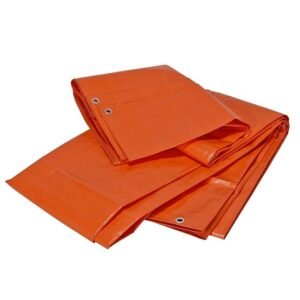
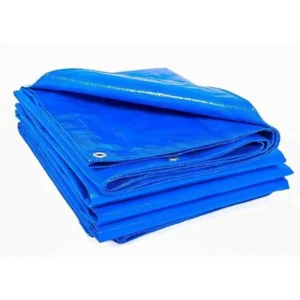
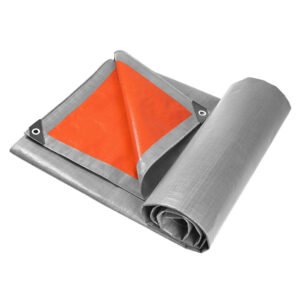


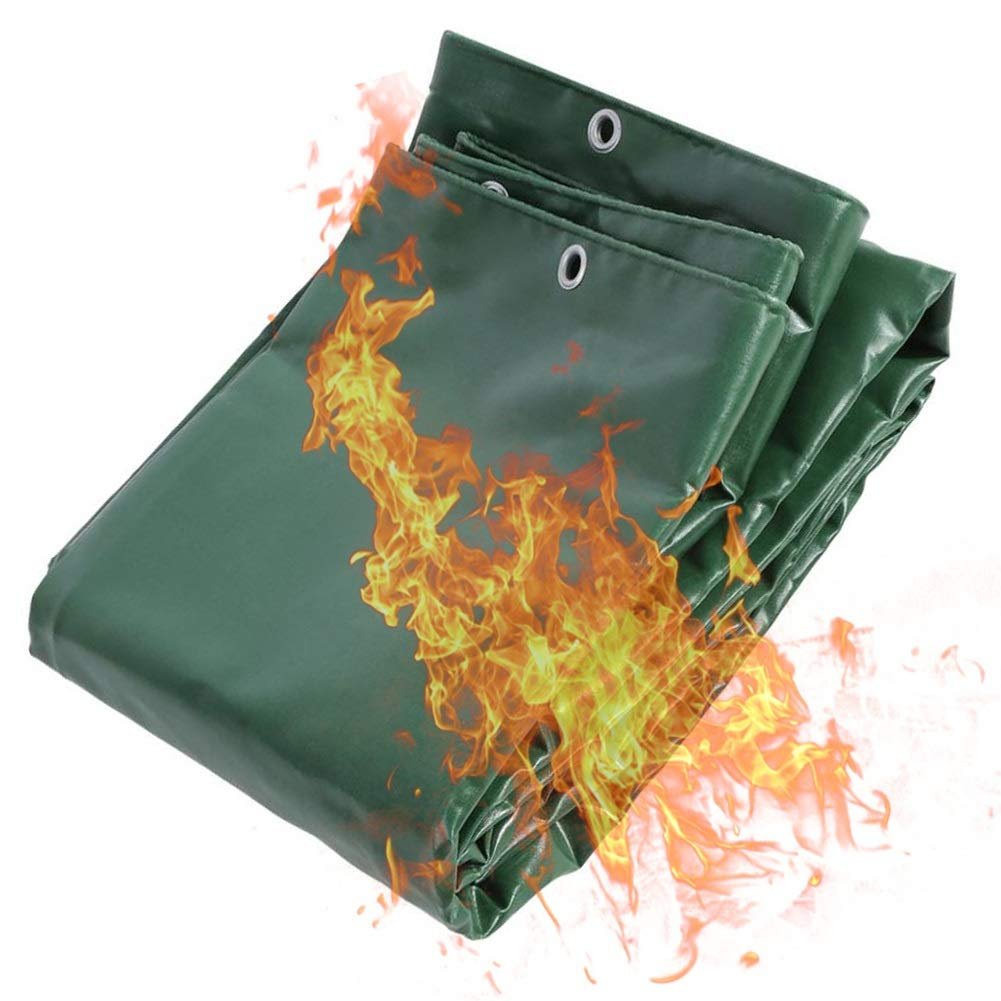




























Tarpaulins are one of the most widely used protective materials on construction sites. They shield workers, equipment, and building materials from harsh weather, dust, and debris. But when a tarpaulin is improperly installed, poorly maintained, or used for the wrong purpose, it can become a safety hazard rather than a protective tool. This guide covers everything you need to know about using tarpaulins safely on construction sites.
Why Tarpaulins Are Essential On Construction Sites
Before diving into safety, it helps to understand the many roles tarps play on construction sites:
- Material protection: Covering cement, sand, steel, timber, and other materials from rain, sun, and dust.
- Temporary roofing: Protecting open structures, floors, and interiors from rain during construction.
- Dust and debris control: Containing dust, rubble, and debris during demolition or drilling work.
- Worker shelters: Creating temporary shade and weather cover for workers on open sites.
- Scaffolding covers: Wrapping scaffolding to contain falling objects and shield against wind or rain.
- Ground sheets: Protecting finished surfaces from damage during ongoing construction activity.
1. Choose The Right Tarpaulin For The Job
Not every tarp is suitable for construction environments. Using the wrong material creates risks.
- Use heavy-duty PVC tarpaulins for scaffolding, machinery covers, and long-term outdoor exposure. PVC resists tearing, UV damage, and moisture far better than light PE tarps.
- For sites with fire risk, choose fire-retardant (FR) tarpaulins that meet local safety standards. Standard PVC or PE tarps can fuel a fire rapidly.
- For debris containment and scaffolding wrap, use tarps with a minimum GSM rating that matches the wind and load conditions on your site.
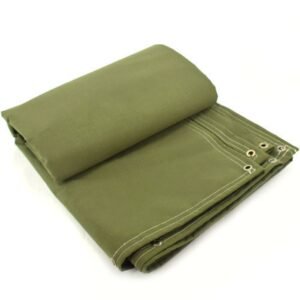
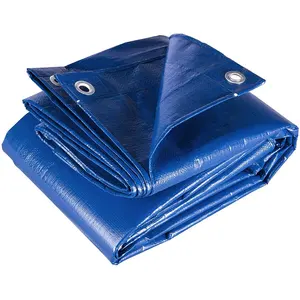
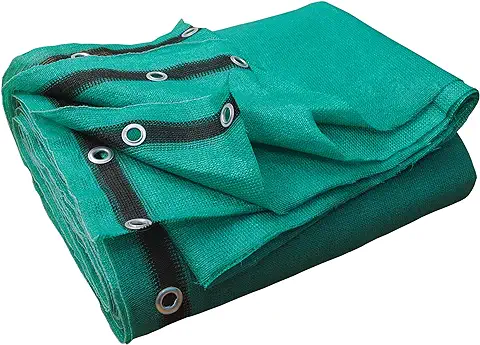
- Always check that the tarp has reinforced hems, welded seams, and strong metal grommets rather than plastic eyelets that can fail under tension.
2. Install Tarpaulins Securely
A poorly secured tarp on a construction site is a serious hazard — it can collapse on workers, obstruct visibility, or become a dangerous projectile in wind.
- Always use enough tie-down points; do not rely on just the four corners. For large tarps, add tie-down points every one to two metres along the edges.
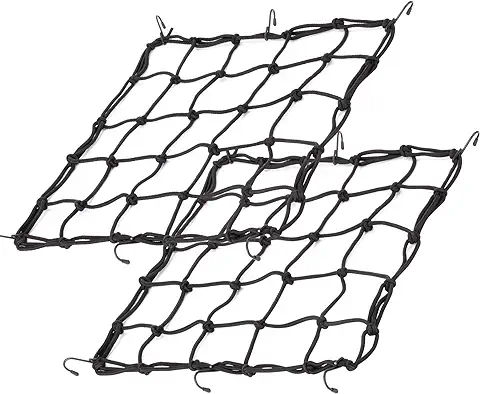
- Use proper clamps, bungee straps, or ratchet tie-downs — not improvised rope knots that can loosen.
- Ensure the tarp is taut so wind cannot lift or billow it. A billowing tarp under load can pull free and cause serious injury.
- On scaffolding, attach tarps to the frame at multiple levels so wind load is distributed rather than concentrated at the top.
- Never use a tarp to bridge a gap that workers will walk across or work under unless it is specifically rated and designed as a safety net or platform cover.
3. Manage Wind And Weather Risks
Wind is the primary safety hazard for construction tarps. Always account for weather when planning tarp use.
- Monitor daily weather forecasts and have a plan for high-wind conditions.
- In strong winds or storm warnings, remove non-critical tarps or add additional anchor points before the weather arrives.
- Water pooling on horizontal tarps is common during heavy rain. Ensure all tarps are angled to drain water away rather than collect it — pooled water can collapse a tarp on people or equipment below.
- In cold climates, inspect for ice loading which can add significant unexpected weight to a tarp installation.
4. Keep Access And Emergency Exits Clear
Tarpaulins should never block access paths, emergency exits, or fire escape routes on a construction site.
- Before installing any large tarp, plan the layout around all access points and ensure full clearance for emergency evacuation.
- Mark tarp edges and hanging corners with high-visibility tape or warning signs so workers do not walk into them at head height.
- Keep tarp edges above head height where workers walk, or ensure they are clearly marked and lit in poor visibility conditions.
- If a tarp collapses or partially falls, treat it as an incident and do not attempt to work under or around it until it is properly re-secured.
5. Prevent Trips And Falls
Loose tarpaulin material on the ground is a leading cause of trip-and-fall incidents on construction sites.
- Secure all ground sheets at the edges so they cannot fold or bunch up underfoot.
- Never leave loose tarp material in walkways or near ladders, scaffolding access points, or staircases.
- If using a tarp as a protective ground cover, use anti-slip tarps or secure them with non-slip tape along high-traffic areas.
- Inspect ground tarps regularly for tears, bunching, or displacement that could create a trip hazard.
6. Work-At-Height Safety When Handling Tarps
Installing and removing large tarps on scaffolding or elevated structures involves significant risk.
- Always follow work-at-height regulations and use proper fall protection equipment when attaching tarps above ground level.
- Never try to throw or pull a tarp up from ground level while someone is working at height above.
- Use two or more workers when handling large tarps on elevated areas.
- Never lean out over a scaffold edge to attach or adjust a tarp without proper harness and anchor points in place.
7. Inspect And Replace Damaged Tarps Immediately
A torn or weakened tarpaulin on a construction site is not just ineffective — it is a liability.
- Inspect all site tarps at the start of each workday and after any major weather event.
- Remove and replace any tarp with large tears, broken grommets, or damaged seams. Do not patch and re-use tarps in high-stress or overhead installations where failure could cause injury.
- Keep a stock of replacement tarps on site so that damaged covers can be swapped out without leaving materials or areas unprotected.
Choosing The Right Construction Tarp: Quick Checklist
- Heavy-duty PVC (500 GSM or above for scaffolding and long-term outdoor use)
- Fire-retardant rating where required by site safety regulations
- Reinforced hems and welded seams
- Metal grommets at regular intervals (every 50–75 cm on large tarps)
- UV stabilised for outdoor use
- High-visibility colour options available for active site safety
Final Thoughts
Tarpaulins are indispensable on construction sites, but safety depends entirely on choosing the right product, installing it correctly, and maintaining it diligently. A well-secured, properly rated tarpaulin protects your workers, equipment, and materials. A neglected or incorrectly used tarp creates risks that no site manager should accept. Make tarp safety a part of your regular site safety planning and inspection routine.