


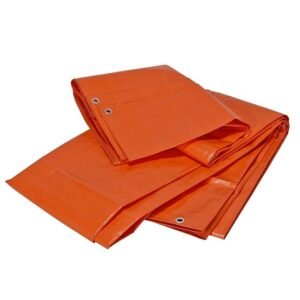
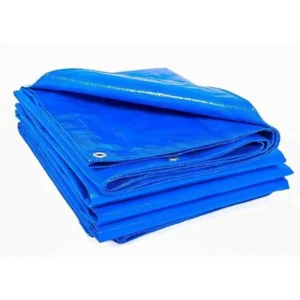
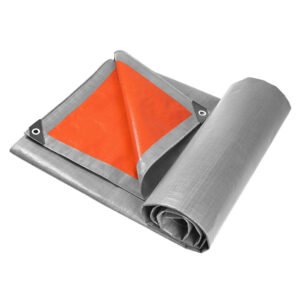


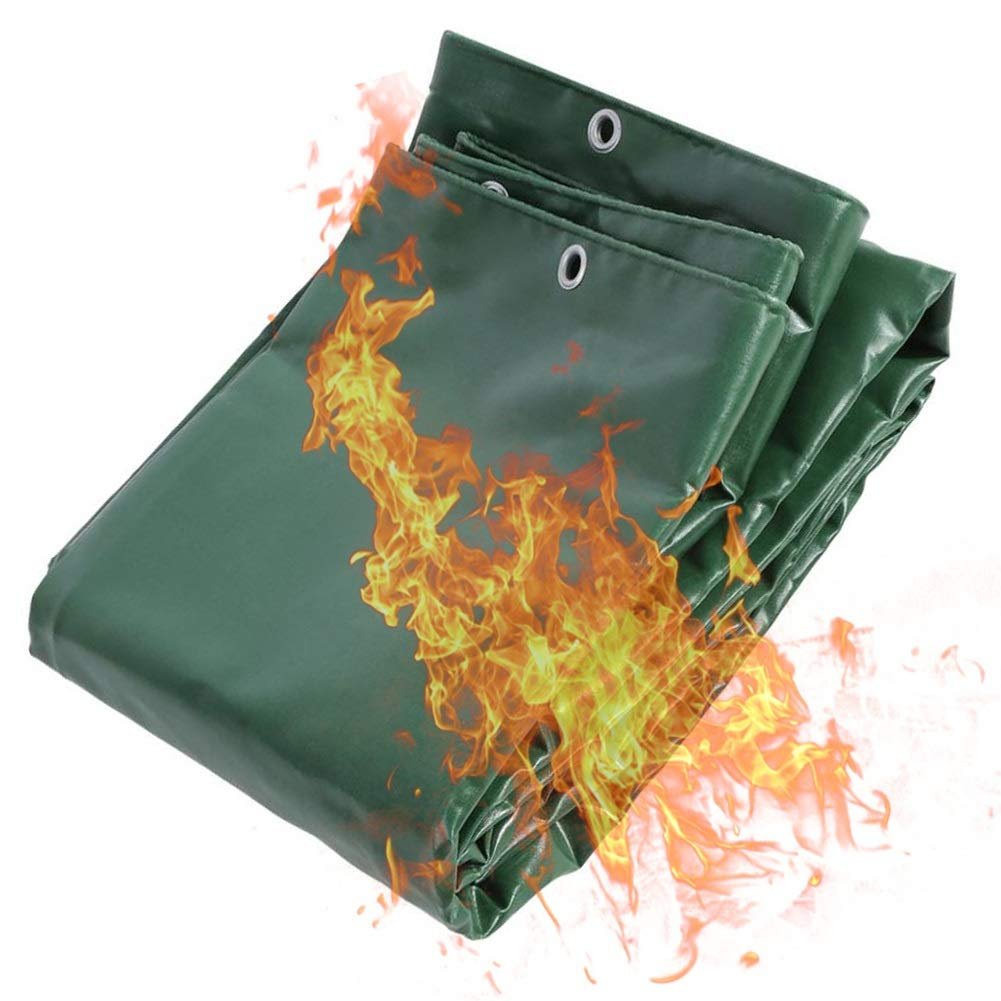






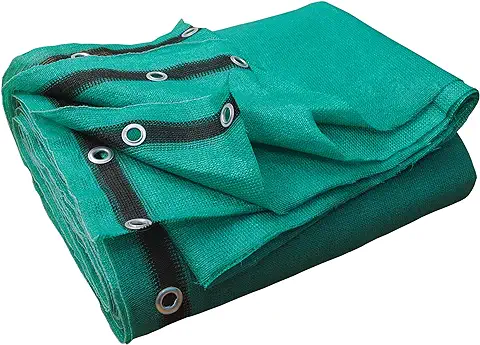
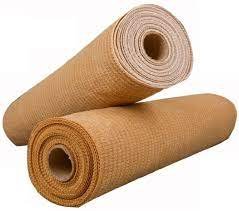
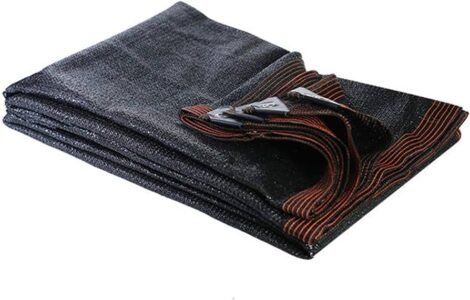
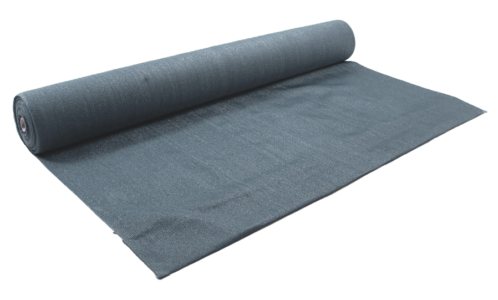


















If you rely on tarpaulins and shade nets to protect your outdoor spaces — whether for a garden, farm, greenhouse, construction site, or residential property — keeping them in good condition is essential. These covers do a heavy job every day: blocking UV radiation, deflecting rain, managing heat, and containing dust. Without regular care, they wear out faster and fail when you need them most. This guide walks you through practical, easy maintenance steps for both tarpaulins and shade nets.
Understanding Your Outdoor Protection Covers
Before diving into maintenance, it is worth understanding the difference between the two materials:
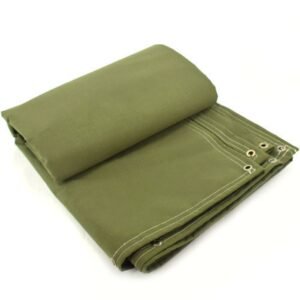
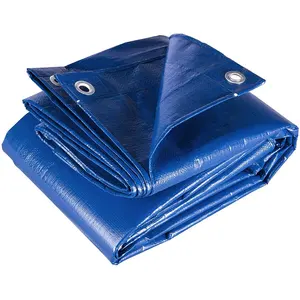
- Tarpaulins are solid, waterproof or water-resistant covers made from PVC, PE, or canvas. They are used for rain protection, dust control, and material storage covers.
- Shade nets are knitted or woven mesh fabrics, typically made from HDPE (high-density polyethylene), designed to reduce sunlight and heat while allowing airflow. They are widely used in agriculture, greenhouses, car parks, playgrounds, and building facades.
Both need different types of care in some areas but share many of the same maintenance principles.
1. Regular Cleaning Routine
For Tarpaulins:
- Shake or brush off loose debris, leaves, and dirt before washing.
- Wash with mild soap and warm water using a soft brush or cloth. Avoid stiff wire brushes that can damage the coating.
- Rinse thoroughly to remove all soap; residue attracts grime and degrades the fabric coating over time.
- Allow to dry completely in a shaded, ventilated area before folding or storing. Never store a damp tarp.
- For stubborn stains, use a gentle fabric cleaner approved for PVC or PE material.
For Shade Nets:
- Rinse with a garden hose to remove dust, pollen, and loose debris. Do this regularly during dusty seasons or after sandstorms.
- For deeper cleaning, soak in a mild detergent solution, gently agitate, and rinse well.
- Never use high-pressure washers on shade nets — the force can distort the mesh weave and damage UV stabilisers.
- Dry completely before rolling or storing. Damp shade nets stored in a roll develop mould and unpleasant odours.
2. Inspection: What To Look For
A regular inspection takes only a few minutes and can prevent costly replacements.
For Tarpaulins:
- Check all edges, hems, and seams for fraying, splitting, or delamination.
- Inspect grommets: look for rust, cracks, or grommets that are pulling away from the hem material.
- Look for small punctures, cuts, or abrasion marks on the surface.
- Check for UV fading or brittleness — if the material snaps easily when bent, it is nearing the end of its life.
For Shade Nets:
- Check the edges and hems for fraying. Shade nets tend to fray from the edges inward, especially when cut edges are not finished properly.
- Look for holes or torn mesh areas, particularly around attachment points where tension is highest.
- Inspect fasteners, ropes, and clip attachments for rust, breakage, or loosening.
- Check for UV degradation: discolouration, brittleness, or crumbling fibres indicate the UV stabiliser has depleted.
3. Correct Installation To Prevent Damage
Most damage to tarpaulins and shade nets happens during installation or because of poor installation rather than during normal use.
- Always install with enough support points to distribute load evenly. Concentrated tension on just a few points will tear the material.
- Ensure tarpaulins are installed with a slope so water drains off — pooled water adds dangerous weight and stretches the material.
- Shade nets must have correct tension: too slack and they flap in wind (causing abrasion); too tight and attachment points stress the mesh.
- Use appropriate fasteners: for shade nets, use aluminium or stainless steel clips and ties rather than steel that will rust and stain the net.
- Add edge protection where tarps or nets rub against sharp metal frameworks, concrete edges, or rough timber. Use rubber edging, foam, or cloth padding at contact points.
- Never use a single rope through grommet holes along a long edge; the weight and wind load will progressively tear each grommet free. Use individual ties at each point.
4. Seasonal Maintenance Checklist
A seasonal approach ensures your covers are in peak condition before they face each season’s worst conditions.
Before Summer / Hot Season:
- Clean and inspect both tarps and shade nets before the peak heat and UV season.
- Apply UV-protection spray to PVC tarpaulins if they are in constant direct sunlight.
- Check shade net percentage rating: use 30–50% shade nets for most gardens; 50–75% for nurseries and greenhouses; 75–90% for car parks and intense sun protection.
- Ensure all fastenings are secure before hot, dry, and windy conditions set in.
Before Rainy / Wet Season:
- Confirm all tarpaulin seams are sealed and no tears are present that could allow water ingress.
- Check that all drainage slopes are correct and no water pooling points exist.
- Shade nets do not need to be watertight, but check all attachment points will hold under the additional weight of water accumulation in heavy rain.
After Storms Or Extreme Weather:
- Inspect all covers immediately after a major storm. High winds often stress attachment points, pull grommets, and cause partial tears that are not visible without a close inspection.
- Replace or repair any damage before the next weather event — a weakened cover will fail completely under a second load.
5. Repair Tips For Tarps And Shade Nets
Tarpaulin Repairs:
- Use self-adhesive PVC or PE repair patches for punctures and small tears. Clean and dry the surface thoroughly before applying and press firmly to eliminate air bubbles.
- For torn hems, re-stitch with UV-resistant outdoor thread or apply reinforcing hem tape.
- Replace damaged grommets with a grommet repair kit using proper backing plates to spread the load.
Shade Net Repairs:
- Small holes in shade nets can be left as-is if they are not in a structural area, but fraying edges should be heat-sealed or taped immediately to prevent the tear spreading through the mesh.
- Finish all cut edges with PVC binding or reinforcement tape — an unfinished cut edge will unravel quickly in outdoor conditions.
- Replace broken clips or ties promptly. A single failed attachment point puts double load on adjacent points, which can cause a chain failure.
6. Storage Best Practices
- Clean and dry both tarpaulins and shade nets before storage.
- Roll rather than fold shade nets to avoid crease lines in the mesh. For tarps, rolling or loose folding reduces crease-point wear.
- Store in a cool, dry, shaded area away from direct sunlight, heat, and moisture.
- Use breathable storage bags or wrap loosely in breathable fabric. Airtight plastic bags trap moisture and promote mould.
- Label each stored item with its size and purpose so the right cover is used for the right job next time.
Final Thoughts
Both tarpaulins and shade nets are working assets that deserve regular attention. A clean, well-installed, properly stored cover will last significantly longer than one that is neglected — and will do its job reliably when it matters. Whether you are protecting a farm, greenhouse, garden, car park, or construction site, building a simple maintenance routine into your seasonal schedule is one of the most cost-effective decisions you can make for your outdoor protection infrastructure.