


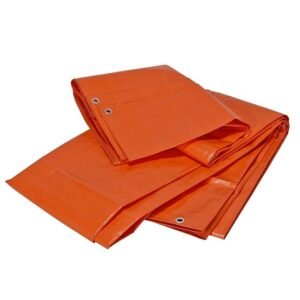
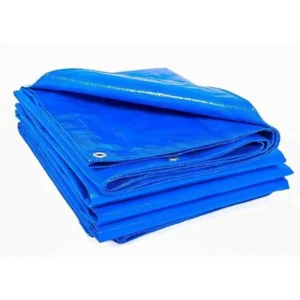
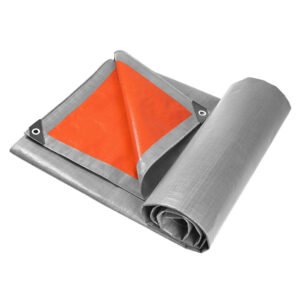


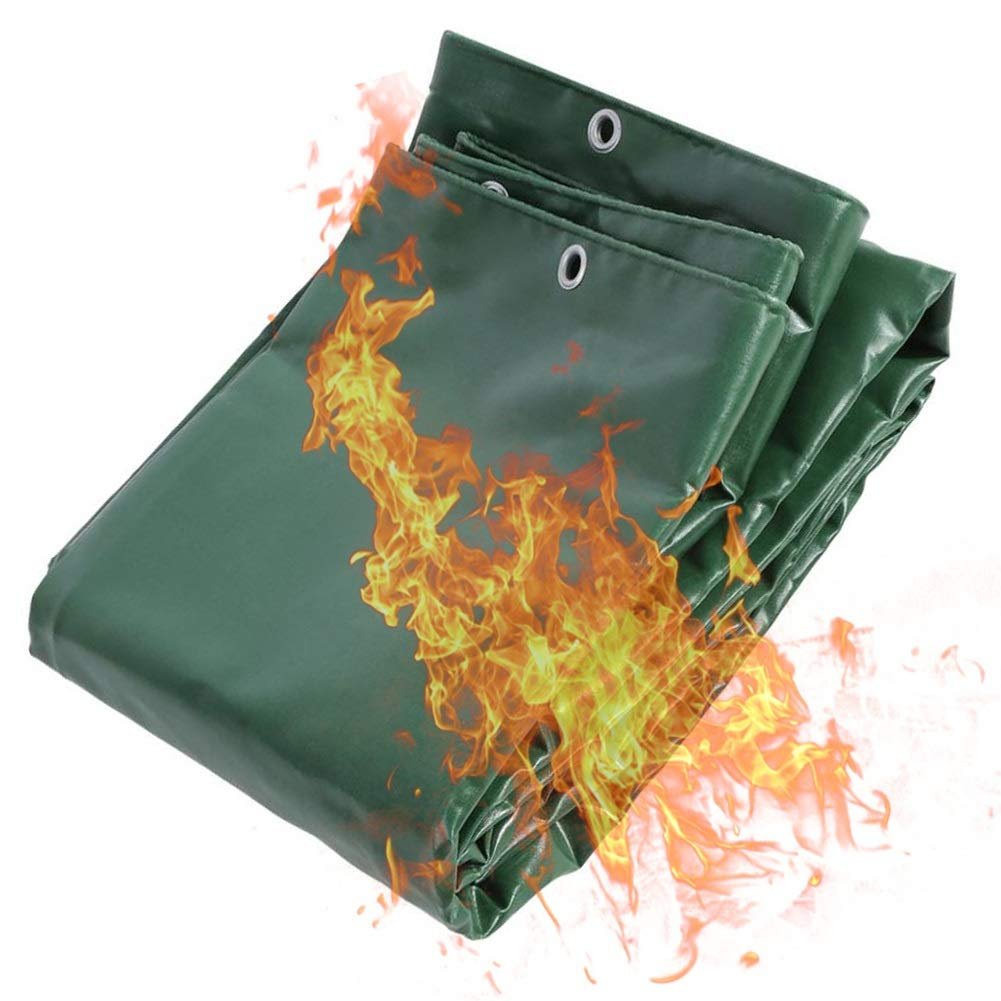

























A tarpaulin works hard every single day — shielding materials from sun, wind, rain, and dust. But without proper care, even the toughest tarp can wear out faster than it should. The good news is that maintaining your tarpaulin is simple and affordable. With a few regular habits, you can extend its life by years and save money on frequent replacements.
1. Clean Your Tarpaulin Regularly
Dirt, dust, and moisture are silent enemies of any tarpaulin. Over time, trapped debris weakens the coating and promotes mould growth, especially in humid climates like the UAE.
- Shake off loose dirt and debris before washing.
- Use mild soap or a diluted detergent with lukewarm water and a soft brush.
- Rinse thoroughly with clean water to remove all soap residue.
- Never use harsh chemicals, bleach, or high-pressure jet washers on coated tarps — these strip the protective layer.
- Let the tarp dry completely in a shaded, ventilated area before folding or storing. Storing a damp tarp leads to mould and unpleasant odours.
2. Inspect After Every Use
A quick inspection after each use catches small problems before they become expensive repairs.
- Check for small punctures, frayed edges, loose stitching, or cracked grommets.
- Look for any signs of UV fading or brittleness — these are early warnings that the material is ageing.
- Repair minor tears immediately using adhesive tarp patches or patching tape designed for PVC or PE material. A small patch applied early prevents a large rip later.
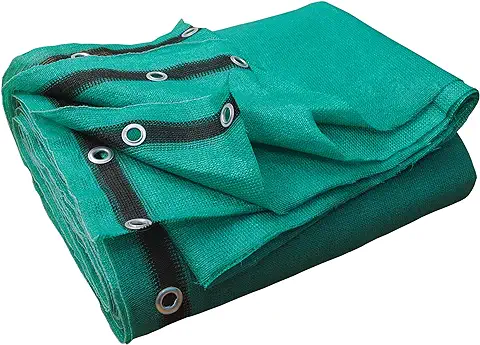
- Replace loose or bent metal grommets before they tear through the hem.
3. Store It Correctly
How you store your tarpaulin has a huge impact on its lifespan.
- Always store tarps clean and completely dry.
- Roll or loosely fold the tarp instead of tight, sharp folds. Repeated sharp folds in the same location create crease lines that become weak spots over time.
- Store in a cool, dry, and shaded area — away from direct sunlight, heat sources, and sharp objects.
- Use a storage bag or wrap in breathable fabric to keep dust off without trapping moisture.
- Avoid placing heavy items on top of stored tarps, as sustained pressure can crease and stress the material.
4. Protect It From UV Damage
UV radiation from the sun slowly breaks down the polymer structure of tarpaulin material, making it brittle, chalky, and prone to cracking.
- Choose UV-stabilised or UV-resistant tarps for permanent or long-term outdoor use.
- Apply a UV-protection spray suitable for PVC or polyethylene fabric for added protection.
- Where possible, use a secondary shade cover above long-term tarp installations to reduce direct UV exposure.
- Rotate tarps periodically so that the same side is not always facing the sun.
5. Repair Damage Promptly
Small damage left unattended grows quickly, especially under wind tension or heavy rain load.
- For small punctures and tears: Use self-adhesive PVC patch kits or tarp repair tape. Clean and dry the area first, then apply the patch to both sides if possible.
- For frayed hems and seams: Re-stitch with a heavy-duty needle and outdoor thread, or apply hem tape as a quick fix.
- For broken grommets: Use a grommet repair kit to add a reinforced replacement eyelet. Avoid using a damaged grommet under tension — it will tear through the material.
6. Handle With Care During Use
How you use the tarp day-to-day matters as much as how you maintain it.
- Avoid dragging tarps across rough concrete, gravel, or sharp edges.
- Use padding between the tarp and any sharp corners or protruding objects.
- Secure the tarp tightly so it does not flap in the wind. Constant wind whipping is one of the leading causes of tarp failure.
- Maintain a slope so rainwater runs off and does not pool on the surface — standing water adds weight and stretches the fabric.
7. Know When To Replace Your Tarpaulin
Even the best-maintained tarpaulin has a lifespan. A quality heavy-duty PVC tarp used properly can last five to ten years. A light PE tarp used outdoors in harsh conditions may only last one to two seasons. Signs that it is time to replace your tarp include:
- Widespread brittleness, cracking, or chalky fading
- Multiple large tears or patches covering significant surface area
- Grommets that cannot be repaired and keep pulling through
- Severe mould penetration that cannot be cleaned
Replacing a failing tarp on time protects your cargo, materials, or structure from damage that will cost far more than the price of a new cover.
Final Thoughts
A tarpaulin is a long-term investment, not a disposable item. With regular cleaning, proper storage, timely repairs, and careful handling, your tarp will stay strong and reliable season after season. Whether you use tarpaulins for construction sites, agriculture, transportation, or outdoor storage, a little maintenance goes a long way.